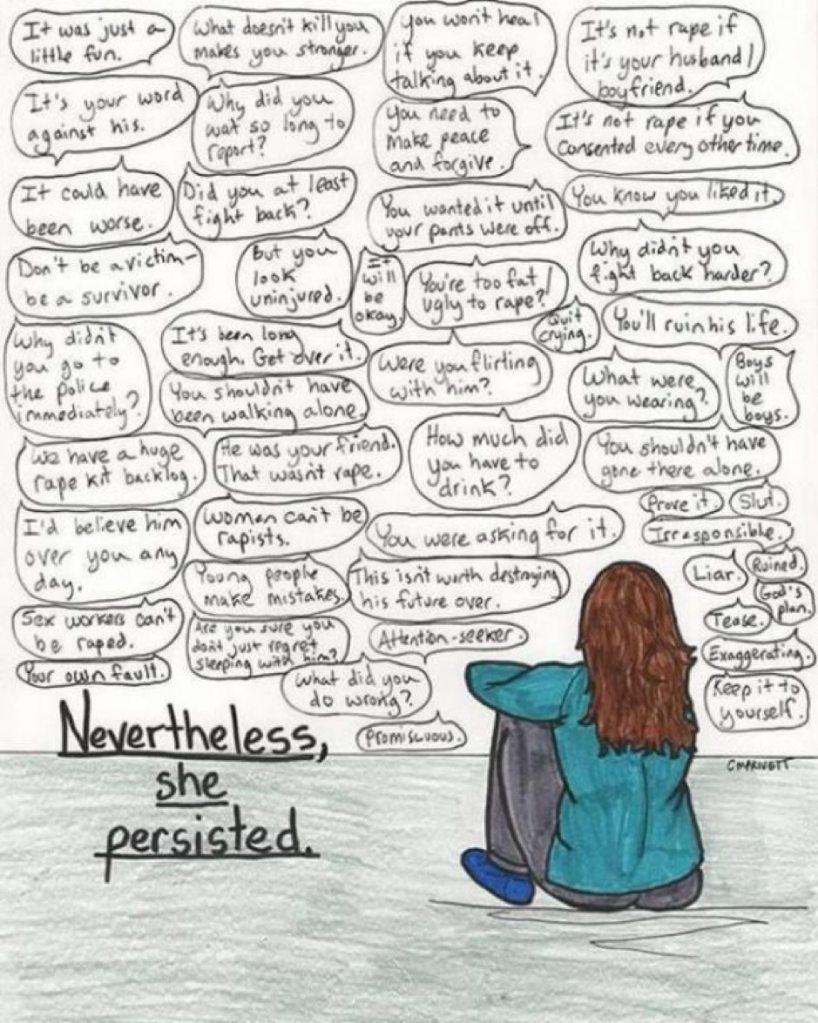
The independent inquiry into child sexual abuse highlighted many times the horrific incidents of abuse within religious institutions.
The Inquiry also made clear how a considerable number of faith leaders collude, cover-up and deny the experience of victims. In particular, the report mentions a series of religious groups including Jehovah’s Witnesses, Baptists, Methodists, Islam, Judaism, Sikhism, Hinduism, Buddhism, and non-conformist Christian denominations. Other reports have covered both Anglican and Catholic institutions. All are implicated in their moral failure.
This report however brings something new to our attention; the fact that some seemingly integrated faiths, operate using abuses of control and power more readily associated with extreme sects.
I have long been aware that within State accepted religious organisations, individual leaders can create and use the dynamics of a sect for their own ends. The indicators can be frighteningly obvious, but in religious cultures that often thrive within the guise of ‘chronic niceness’, they seldom get recognised for what they are. Even when suspicions are raised or evidenced all too often the wall of silence and the collusion with chronic niceness results in victims being ignored and their abusers remaining in power.
In the context of religious organisational abuse, not all abuse is sexual; domestic, physical, psychological, emotional, financial and spiritual abuses all feature. Sects exist within mainstream religion of all faiths with the knowledge and often the blessing of their hierarchy.
The report from the Inquiry usefully made clear indicators of high control sect like dynamics that, if present , should be recognised as a serious cause for concern, including:
Victim blaming
Not openly discussing matters of sexuality
Abuse of power by religious leaders
Men dominating leadership
Lack of accountability
Mistrust of non-religious agencies
Misusing the concept of “forgiveness”
Dealing with reported concerns in isolation
Poor understanding and non- application of safeguarding procedures
Exclusivity, favouritism of individuals or cliques
The Inquiry also found that in some faith communities “the relationship between ideas of sexual ‘purity’ and social and familial standing are likely to make abuse markedly harder to report.
The imperative not to speak is bound up with notions of honour, with consequences for an individual’s ability to marry, for their family and for the ‘honour’ of their community. In extreme cases, being seen as dishonourable can lead to violence against that individual or their family.
It is this cycle of abuse I see played out on a regular basis with young gay men forced to deny their sexuality in order to please mum and dad. It never ends well. Secret lives are led, conflicted sexuality manifests in violence and murders take place. These factors are reflected daily in my work with those who also become involved in chemsex related crime. These men have often created many victims but they too are indeed victims.
In all of this, silence is the most defining, dangerous and permission giving factor. Silence, I’ve concluded in this context is indeed a sin and is in need of an Inquiry report all of its own. In my career spanning over forty years, the one consistent message I have been required to give is the need for those who know of abuse, to speak out and to speak out even if uncertain. Inquiry reports speak out, but will remain limited in effect if others closer to home remain silent.
Those who abuse, who collude and cover up are of course never silent …. leaving victims to persist alone.
Br. Stephen Morris FCC
