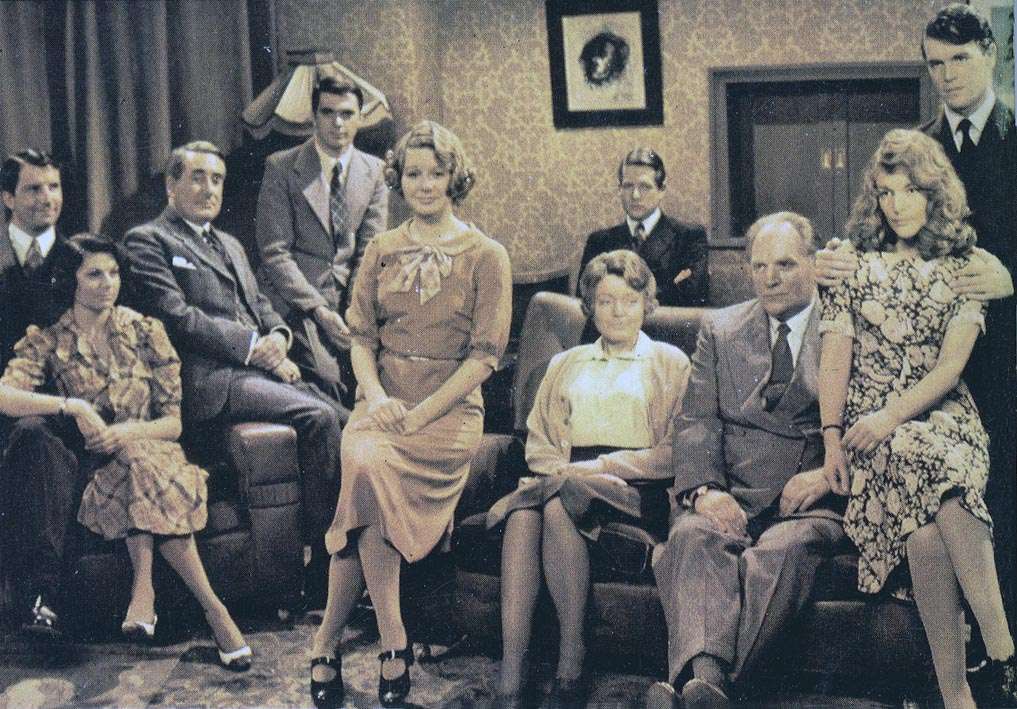
I only really like the first lines of Minnie Haskins poem ‘God Knows’, more commonly known as ‘The Gate of the Year’. I recall it along with many others I guess at the close of each year. But its poignancy for me is more associated not with the opening of a new year but with the closing episode of the 70’s television series ‘A Family at War’.
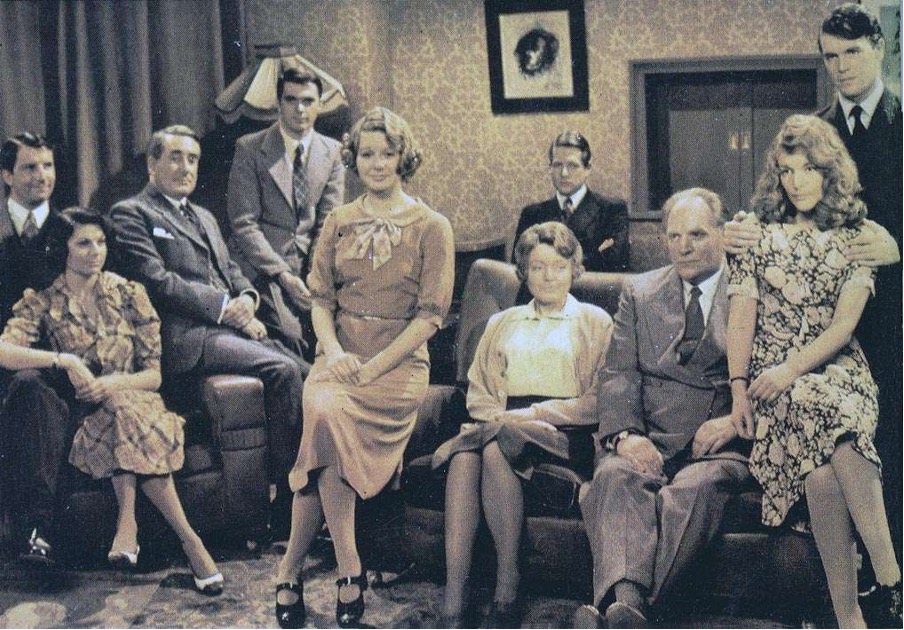
The series, based in Liverpool, told the story of the Ashton family living through the war years. It aired for 52 episodes and took its audience into the family experiences of the external war and the almost equally disturbing dynamics of the internal wars within the Ashton family.
As a child, it was an intense experience to watch it unfold week after week, yes because of the skilful writing and also because there were few scene changes. Typical of its day, most of the drama seldom ventured beyond the Ashtons living room.
The wider world was however brought to that living room, as it was to all our homes, by the medium of the wireless.
In the closing moments of the last episode, we are again back in the Ashtons living room. The family diminished and depleted. The past echoes around the empty walls in the voice of King George reading to the nation as he did in 1939 Haskins poem “And I said to the man who stood at the gate of the year ….. “ The vulnerability of that moment in time poignant in the timbre of his voice.
Endings are a vulnerable time for the fact that we usually know what is ending but seldom do we know what is beginning. ‘A Family at War’, from it’s very beginning, like life, was all about endings and what they do to us. How sometimes we emerge better from them and other times less so. But episode after episode, as in the days of our lives, what we witnessed is how endings change us. Endings, one by one, took hold of the Ashton family and changed it forever. After an ending life is seldom ever the same.
The endings and the vulnerabilities of the Ashtons were not unique to them and were not confined to the experience of war. No, far from it.
Endings for us all in one way or another are defined by loss and the vulnerability that meets us in our response of grief. No matter the nature of the ending or the cause of loss, the deeply human response of grief is forever the same. 1939, 2024 and 2026 separated by time but not by internal experiences of sadness, sorrow, diminishment of hope and yes, by life rearranged.
Whatever endings greet us at the gate of the year. Whatever our griefs and vulnerabilities, may they, may we, be met with peace of mind and a hope in the breaking of a new day.
And I said to the man who stood at the gate of the year:
“Give me a light that I may tread safely into the unknown”.
And he replied:
“Go out into the darkness and put your hand into the Hand of God.
That shall be to you better than light and safer than a known way”.
So I went forth, and finding the Hand of God, trod gladly into the night.
And He led me towards the hills and the breaking of day in the lone East.
“Silence teaches us to go down inside ourselves to find real life rather than to reach for it always and forever outside ourselves”.
So, Sr. Joan Chittister reminds us.
I witness much fear in the consulting room, but none compares with that which some show in the presence silence. It requires much effort to resist the compulsion to break a silence, especially when the client appears tortured by it. Some just won’t allow it. But if real life is to be found then, allowing it, we must. If silence allows for a meeting with our real selves surely this is something to not just be welcomed and encouraged, but also something to be celebrated.
Such a fearful response reveals how so many carry an image of themselves as someone who is so horrific as to be not allowed and therefore distracted from at every possible opportunity. Such are the tragic consequences of internalised toxicity rooted in experiences of shaming, humiliation, rejection not being ‘good enough’ and of course being considered ‘other’. No wonder the noise of life has become so essential. Silence for many is a risk too great.
However fact remains, emergence of the real self absolutely does require silence. How else in this world will it ever get a chance? Silence provides us with the harrowing ground of the soul. It breaks up the clods and boulders of our lives. It roots out the weeds, it levels the rocky and unstable ground in which we’ve grown.
When silence faces us with our own cries of fear, pain and resistance then the knowing of ourselves is without doubt happening. It is only in silence that these things can be addressed and only by that process can the real self emerge.
Getting beyond the fear of real self and silence, means disengaging from all that blocks us and keeps us separated from whom we really are and have ever been.
It is in silence that fear can be confronted and its darkness removed. It is in silence that we move into greater light and growth. This very process of darkness into light, inherent in nature, is constantly occurring all around us. We need silence to notice and in noticing be assured.
Silence is not to be restricted to the limits of the clinicians consulting room, vital in fact that its not. The therapy room is by its nature removed from real life. At best it is a box of mirrors. No, real life happens outside the therapy room and it is in real life that we so need to allow for, integrate and enable occasions of crucial life giving silence.
This wonderful quote from Leslie Kane provides encouraging example on example of allowed for silence in daily life and where we don’t need to have a word:
“The dumb silence of apathy, the sober silence of solemnity, the fertile silence of awareness, the active silence of perception, the baffled silence of confusion, the uneasy silence of impasse, the muzzled silence of outrage, the expectant silence of waiting, the reproachful silence of censure, the tacit silence of approval, the vituperative silence of accusation, the eloquent silence of awe, the unnerving silence of menace, the peaceful silence of communion and the irrevocable silence of death Illustrate by their unspoken response to speech that experiences exist for which we lack the word”.
Silence can begin today, it can fill today and can start by courageously asking the most challenging question of all: What is it that we are hiding from that our flight into noise holds at bay?
Some time ago, I was delivering a briefing to trainee police and probation officers, I presented a heartbreaking case of a young man. I asked the trainees to describe to me what hearing about this man’s life made them feel? My question was met with silence. I’m good with silence, so I let it continue. I eventually prompted; “Anyone?” More silence. So I took a direct approach and started to go around the group. The first trainee gave me his response “I don’t feel anything”, delivered with something akin to arrogance and so I continued to go around the group. Still, no one was naming a feeling. To say I was pissed off is an understatement. But I was also despairing. What have we come to when brokness is met with such an absence of feeling.
Broken, always requires our best. Always requires more of us than we know we have and is always deserving of even much more. The broken, I have learned over years, have much to give us. It is they who, one by one and by their own uniqueness, have made me what I am today – that started with being able to feel. Right now, it would seem, we need the broken to teach us as never before….
The broken among us teach us.
What sustains me is this knowledge, that it’s really the broken among us that can contribute a lot to our quest for full, equal justice.
When you’re broken, you know something about what it means to be human. You know something about grace. You learned something about mercy. You learned something about forgiveness. It’s the broken among us that can teach us some things. And knowing that you don’t have to be perfect and complete gives you a way of moving through challenge that would be hard if you think that that’s not something that’s possible.
And so I tell my young officers, you can’t do this work, you can’t be in some of the painful places we’re in, you can’t hold children who’ve been abused, and look into despiring eyes and not be impacted by that.
You’re going to shed some tears. You are. And you’re gonna be overwhelmed, you’re going to get tired, you’re gonna get pushed down — all of those things are going to happen, and it doesn’t mean you’re weak. It doesn’t mean that you’re not up to the task. It doesn’t mean you’re incompetent or incapable. It just means you’re a human being. And that’s what, is exactly what is needed.
And so what sustains me is, in part, this knowledge that I can’t always feel confident and sure and clear; that there are going to be times when it’s uncertain what’s going to happen. And I’ve tried to appreciate that.
We can all in our brokenness be lifted up by the spirit of people who have endured way more. But we must, we must be able to connect with them, see ourselves in them and feel with them. Anything less than this is not our best.
I remember where I was on 9/11 – In 2001, I had the opportunity to take a one year sabbatical away from my work with prisoners and my clinical role as a forensic psychotherapist. My superiors expected me to come up with a plan of rest and self-development. But after many years of my own therapy, personal exploration, directed retreats, self-directed retreats and more. The one thing I was certain about was that I did not want to give more time to self -analysis, self-development or anything like it.
Eventually, it was agreed that for a year I would take on the role as Director for Mission Effectiveness at a large Franciscan Hospital serving not the poor but the wealthy and sometimes famous. It was totally out of my comfort zone. Put me on any prison wing in the country, put me in any segregation unit, in any probation office and sit me with the most dangerous of killers, arsonists, rapists, bank robbers or gangsters and I am totally at home, and we all get on just fine. The highly polished, sterile corridors, the perfectly decorated rooms and the state of art operating theatres, filled with wealthy and fee-paying people was something else! Despite illness, the degree of comfort and niceness in this setting was overwhelming, to the extent that it was suffocating and to the extent that it was chronic. I experienced it like drowning in a bath of the sweetest sickliest candy floss you could possibly imagine. But I was there and more, I had asked to be.
Then something happened.
9/11 happened.
Slowly but surely the horror of the twin towers, all those thousands of miles away, seeped into and broke through all that chronic comfort and niceness within that beautiful hospital. Via endless and constant television and radio news reports a different reality started to emerge. The first notice I had of this happening was when the Director of Nursing asked to see me urgently. She was not so interested in my mission effectiveness role but wanted me immediately to act in my clinical pastoral role as psychotherapist and work with her staff. Several were having panic attacks, some were being physically sick, many were crying, some inconsolable. “Whatever you do’, she said, “please stop them being so distressed”.
I responded and for the remainder of that day and the following, I debriefed, I consoled and helped create something of a perspective. Calmness, and unfortunately to my thinking, chronic niceness was also eventually restored.
I have never sought to remove distress be that my own or others. I have always worked to be with others in their distress and have always believed that, although immensely difficult, to sit with one’s own distress is by far the wisest thing to do. I had long learned that trying to push distress away just causes more conflict, more unrest, more pain and especially so when distress is the right reaction to have. The instruction I had received to ‘stop the distress’ disturbed me. I had been required to make everything ‘nice’ again and at a time when for many nothing would never be ‘nice’ again and when the continued suffering of humanity would fill our screens, newspapers and lives again and again. As I walked around the hospital in the days that followed it was like being in a parallel universe; it was as if 9/11 had not, was not, happening – silence.
I knew exactly what had disturbed me about ‘stopping the distress’ and what continued to disturb me about the chronic niceness of that hospital. It was the disavowing, the banishment and the total denial of the need we have as humans to connect with each other and to connect especially at times of suffering. Those rightly distressed nurses had connected with love and compassion, and I had colluded with an effort to get them to return to a state of disconnect and a niceness that was just not real. Those nurses had responded exactly as St Francis would have done. The whole of his ministry most surely based on connection with the world around us and with each other. In one of his hospitals, it appeared that the very heart of his mission and purpose was not being allowed, it was being forbidden.
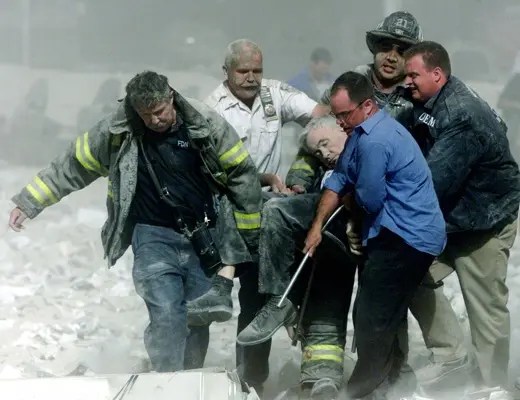
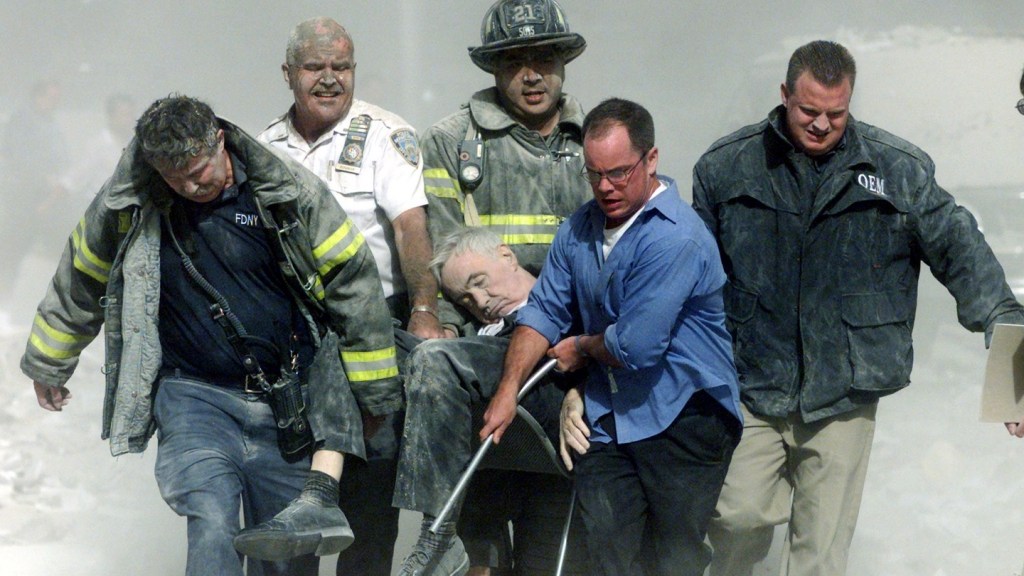
At the centre of the hospital was an enormous publicity board, it was used to communicate the tenants of mission effectiveness and Franciscan spirituality that had long ago led to the formation of the hospital. This space, rightly or wrongly, it occurred to me was mine. In my room I gathered together the largest sheets of card I could find, I got scissors, glue and every newspaper I could find. With great care I cut out each and every image of the suffering, wounded and dying people from in and around the World Trade Centre. I fitted them together into a montage that when assembled covered every inch of that massive Mission Effectiveness board. At its very centre I pasted the picture attached to this post. The picture is of Father Mychal Judge, a Franciscan priest who was chaplain to the fire fighters of NYC. On hearing the news that morning he had quickly removed his habit, put on his uniform and gone directly to be with his men and women. News footage shows him standing in one of the towers. The terror is visible on his face as his lips move silently in prayer and he prepares to minister to the injured, dead and dying. Sometime later another image is transmitted via the world’s media, it is Fr. Mychal who is carried out of the tower, his life given in the midst of unimaginable distress. By the side of this image I then pasted the prayer of St Francis.
Once in place, I stood back and looked at the finished montage, even I, its creator, was struck by its powerfulness. I was nervous, I did not know what reaction to expect. But I was equally aware that standing by the board and in view of the vision it created, I felt at home, I felt the sadness and horror it conveyed, and I felt it’s peace. I decided that’s where I would hang out. Word clearly spread and soon people from all over the hospital started to call by to look. In silence they looked, they wept, some gently touched the images, some thanked me and some went into the chapel and prayed. Some complained. The images, like Fr. Mychal, pulled no punches, it said it as it was. Humanity at its very worse and at its very best.
Humanity is seldom ‘nice’ we are, despite our intellect, primitive and awash with our needs, failings and vulnerabilities. We deny these things at great cost. When we don’t banish ours and others discomfort, when we allow ourselves to connect with our suffering and the pain of others. When we place ourselves in the way of risk, in the way of human tragedy and for the sole purpose of being together in all the shit that we ourselves so often create. Then it allows for something different to happen, for something different to be experienced.
By the time Fr. Mychal died alongside his people, he had seen terror and hell unfold on many occasions. As a gay priest in America at the height of the AIDS crisis he had held and kissed many who in the last days of their lives had been totally rejected by all around them. He had voiced and celebrated the joys of his and their sexuality and invited parents to be proud of their dying sons. No other voice in our world ever did this at that time.
The horror of 9/11 and the horror of the AIDS crisis are of course over but there will new horrors and some of us I guess will need to face such this very day. May we be able to meet whatever horror visits us as Mychal encouraged us to do so by how he was in the world – present, connected, vulnerable, flawed (as he often reminded us) but still willing to love. Father Mychal pray for us …
I only really like the first lines of Minnie Haskins poem ‘God Knows’, more commonly known as ‘The Gate of the Year’. I recall it along with many others I guess at the close of each year. But its poignancy for me is more associated not with the opening of a new year but with the closing episode of the 70’s television series ‘A Family at War’.
The series, based in Liverpool, told the story of the Ashton family living through the war years. It aired for 52 episodes and took its audience into the family experiences of the external war and the almost equally disturbing dynamics of the internal wars within the Ashton family.
As a child, it was an intense experience to watch it unfold week after week, yes because of the skilful writing and also because there were few scene changes. Typical of its day, most of the drama seldom ventured beyond the Ashtons living room. The wider world was however brought to that living room, as it was to all our homes, by the medium of the wireless.
In the closing moments of the last episode, we are again back in the Ashtons living room. The family diminished and depleted. The past echoes around the empty walls in the voice of King George reading to the nation as he did in 1939 Haskins poem “And I said to the man who stood at the gate of the year ….. “ The vulnerability of that moment in time poignant in the timbre of his voice.
Endings are a vulnerable time for the fact that we usually know what is ending but seldom do we know what is beginning. ‘A Family at War’, from it’s very beginning, like life, was all about endings and what they do to us. How sometimes we emerge better from them and other times less so. But episode after episode, as in the days of our lives, what we witnessed is how endings change us. Endings, one by one, took hold of the Ashton family and changed it forever. After an ending life is seldom ever the same.
The endings and the vulnerabilities of the Ashtons were not unique to them and were not confined to the experience of war. No, far from it.
Endings for us all in one way or another are defined by loss and the vulnerability that meets us in our response of grief. No matter the nature of the ending or the cause of loss, the deeply human response of grief is forever the same. 1939, 2023 and 2024 separated by time but not by internal experiences of sadness, sorrow, diminishment of hope and yes, life rearranged.
Whatever endings greet us at the gate of the year. Whatever our griefs and vulnerabilities, may they, may we, be met with peace of mind and a hope in the breaking of a new day.
And I said to the man who stood at the gate of the year:
“Give me a light that I may tread safely into the unknown”.
And he replied:
“Go out into the darkness and put your hand into the Hand of God.
That shall be to you better than light and safer than a known way”.
So I went forth, and finding the Hand of God, trod gladly into the night.
And He led me towards the hills and the breaking of day in the lone East.
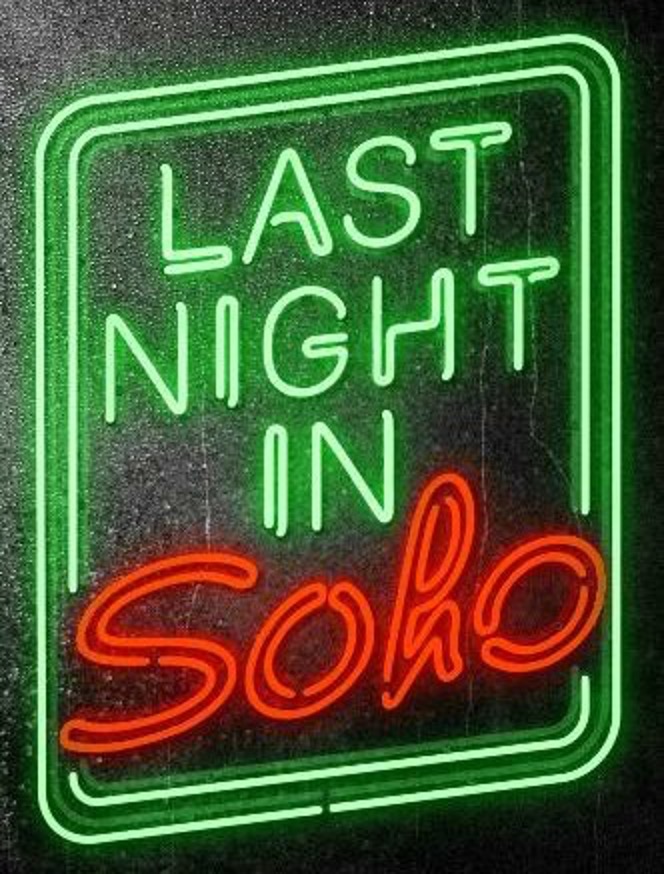
When human connection occurs in safety it allows for a valuing of vulnerability rather than its banishing. Such experiences are rare in a world shaped by the ego and all its defences. But when a work is informed by the heart and a humility of spirit then such experiences flourish. These were my thoughts as I made my way home through Soho on this damp cold early November evening. In the heart of Soho, I just had such an experience.
Some weeks earlier, I had been invited to talk to a group of men about a challenging issue associated with vulnerability. I had just ten minutes to inspire and open up the discussion. Yes, my words were appreciated but what made the evening immensely inspirational for me was the safety and containment provided by the convenor. He was firm, direct, demanding of self -responsibility and respect of each other, things that often a ‘comfort zone’ driven emphasis or a ‘chronically nice’ environment tends to avoid. What followed was an experience of shared concern and shared great valuing one to another.
The experience reminded me of Mike Ford’s ‘The Flowers of Soho’ which appeared in the journal ‘Spirituality’ shortly after the Soho bombing in 1999. It powerfully resonated with me at the time. I have always regarded Soho as my spiritual home and a more sacred place, in the true meaning of the word, than temples or cathedrals. Mike got it too and generously conveyed it in his article when he wrote;
“Soho is a place where light can shine in the darkness, where creativity can blossom in a sea of ‘craziness’. The district may have its pornographic boutiques, it’s garish advertisement. Its smell of death, but it is also an oasis of life in a desert of loneliness, where alienated people sometimes succeed in finding new friends and forming community, where strangers can meet over a meal in one of the many restaurants and (referring to the bombing) where women and men now gather in solidarity in the aftermath of violent prejudice. As one card put by a wreath put it ‘you won’t kill love’.”
Such solidarity, concerning another manifestation of human vulnerability, was again being experienced within a gathering in the heart of Soho this evening. It was indeed a testament to whoever wrote those words that tragic time ago ‘you won’t kill love’.
Mike finished the same article with a quote from Henri J M. Nouwen. For me this quote expresses all that I constantly experience about this dreadful but beautiful place and particularly experienced this November evening;
“We are not alone; beyond the differences that separate us, we share one common humanity and thus, belong to each other. The mystery of life is that we discover this human togetherness not when we are powerful and strong, but when we are vulnerable and weak”.
I remember where I was on 9/11 – In 2001, I had the opportunity to take a one year sabbatical away from my work with prisoners and my clinical role as a forensic psychotherapist. My superiors expected me to come up with a plan of rest and self-development. But after many years of my own therapy, personal exploration, directed retreats, self-directed retreats and more. The one thing I was certain about was that I did not want to give more time to self -analysis, self-development or anything like it.
Eventually, it was agreed that for a year I would take on the role as Director for Mission Effectiveness at a large Franciscan Hospital serving not the poor but the wealthy and sometimes famous. It was totally out of my comfort zone. Put me on any prison wing in the country, put me in any segregation unit, in any probation office and sit me with the most dangerous of killers, arsonists, rapists, bank robbers or gangsters and I am totally at home, and we all get on just fine. The highly polished, sterile corridors, the perfectly decorated rooms and the state of art operating theatres, filled with wealthy and fee-paying people was something else! Despite illness, the degree of comfort and niceness in this setting was overwhelming, to the extent that it was suffocating and to the extent that it was chronic. I experienced it like drowning in a bath of the sweetest sickliest candy floss you could possibly imagine. But I was there and more, I had asked to be.
Then something happened.
9/11 happened.
Slowly but surely the horror of the twin towers, all those thousands of miles away, seeped into and broke through all that chronic comfort and niceness within that beautiful hospital. Via endless and constant television and radio news reports a different reality started to emerge. The first notice I had of this happening was when the Director of Nursing asked to see me urgently. She was not so interested in my mission effectiveness role but wanted me immediately to act in my clinical pastoral role as psychotherapist and work with her staff. Several were having panic attacks, some were being physically sick, many were crying, some inconsolable. “Whatever you do’, she said, “please stop them being so distressed”.
I responded and for the remainder of that day and the following, I debriefed, I consoled and helped create something of a perspective. Calmness, and unfortunately to my thinking, chronic niceness was also eventually restored.
I have never sought to remove distress be that my own or others. I have always worked to be with others in their distress and have always believed that, although immensely difficult, to sit with one’s own distress is by far the wisest thing to do. I had long learned that trying to push distress away just causes more conflict, more unrest, more pain and especially so when distress is the right reaction to have. The instruction I had received to ‘stop the distress’ disturbed me. I had been required to make everything ‘nice’ again and at a time when for many nothing would never be ‘nice’ again and when the continued suffering of humanity would fill our screens, newspapers and lives again and again. As I walked around the hospital in the days that followed it was like being in a parallel universe; it was as if 9/11 had not, was not, happening – silence.
I knew exactly what had disturbed me about ‘stopping the distress’ and what continued to disturb me about the chronic niceness of that hospital. It was the disavowing, the banishment and the total denial of the need we have as humans to connect with each other and to connect especially at times of suffering. Those rightly distressed nurses had connected with love and compassion, and I had colluded with an effort to get them to return to a state of disconnect and a niceness that was just not real. Those nurses had responded exactly as St Francis would have done. The whole of his ministry most surely based on connection with the world around us and with each other. In one of his hospitals, it appeared that the very heart of his mission and purpose was not being allowed, it was being forbidden.
At the centre of the hospital was an enormous publicity board, it was used to communicate the tenants of mission effectiveness and Franciscan spirituality that had long ago led to the formation of the hospital. This space, rightly or wrongly, it occurred to me was mine. In my room I gathered together the largest sheets of card I could find, I got scissors, glue and every newspaper I could find. With great care I cut out each and every image of the suffering, wounded and dying people from in and around the World Trade Centre. I fitted them together into a montage that when assembled covered every inch of that massive Mission Effectiveness board. At its very centre I pasted the picture attached to this post. The picture is of Father Mychal Judge, a Franciscan priest who was chaplain to the fire fighters of NYC. On hearing the news that morning he had quickly removed his habit, put on his uniform and gone directly to be with his men and women. News footage shows him standing in one of the towers. The terror is visible on his face as his lips move silently in prayer and he prepares to minister to the injured, dead and dying. Sometime later another image is transmitted via the world’s media, it is Fr. Mychal who is carried out of the tower, his life given in the midst of unimaginable distress. By the side of this image I then pasted the prayer of St Francis.
Once in place, I stood back and looked at the finished montage, even I, its creator, was struck by its powerfulness. I was nervous, I did not know what reaction to expect. But I was equally aware that standing by the board and in view of the vision it created, I felt at home, I felt the sadness and horror it conveyed, and I felt it’s peace. I decided that’s where I would hang out. Word clearly spread and soon people from all over the hospital started to call by to look. In silence they looked, they wept, some gently touched the images, some thanked me and some went into the chapel and prayed. Some complained. The images, like Fr. Mychal, pulled no punches, it said it as it was. Humanity at its very worse and at its very best.
Humanity is seldom ‘nice’ we are, despite our intellect, primitive and awash with our needs, failings and vulnerabilities. We deny these things at great cost. When we don’t banish ours and others discomfort, when we allow ourselves to connect with our suffering and the pain of others. When we place ourselves in the way of risk, in the way of human tragedy and for the sole purpose of being together in all the shit that we ourselves so often create. Then it allows for something different to happen, for something different to be experienced.
By the time Fr. Mychal died alongside his people, he had seen terror and hell unfold on many occasions. As a gay priest in America at the height of the AIDS crisis he had held and kissed many who in the last days of their lives had been totally rejected by all around them. He had voiced and celebrated the joys of his and their sexuality and invited parents to be proud of their dying sons. No other voice in our world ever did this at that time.
The horror of 9/11 and the horror of the AIDS crisis are of course over but there will new horrors and some of us I guess will need to face such this very day. May we be able to meet whatever horror visits us as Mychal encouraged us to do so by how he was in the world – present, connected, vulnerable, flawed (as he often reminded us) but still willing to love. Father Mychal pray for us …
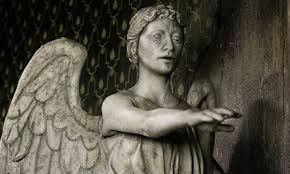
Twice, in as many days, the image of the joyous Christmas herald angels formed in my mind since early childhood has been challenged. First, when reading one of John O’Donohue’s poems this line jumped out of the page right at me “May the Angel of Justice disturb you to take the side of the poor and the wronged”. Then whilst listening to the wireless programme ‘A Yellow Light’, in which Nadin Ednan Laperouse recounts the traumatic death of his daughter Natasha from a severe allergic reaction after eating a sandwich. As his 14-year-old daughter lay dying in his arms he described vividly seeing several angel figures approaching and standing around her. Disturbed by their presence he tried to brush them away.
Both of these incidents reveal, that like many other of life mysteries, angels too are mysteries of paradox. As well as brining glad tidings their task would also appear to be to cause disturbance.
When disturbance manifest in our lives we tend not to like it. But what about being the one who causes disturbance, being the one who disturbs. What is it like to be that person? I’m no angel but I’ve been reminded on many occasions that I disturb people, some even pay for me to do just that. The hope of many is that a therapist will become their guardian, their salvation and their ‘bringer of good news’. Quite a shock then when I, as a therapist, view my task as absolutely not to do that. For what point would there be if such powerful ability was to reside in me? For the other, nothing would change.
It’s not unusual for someone at the start of a therapeutic process for them to ask what they should do? My response is always; be curious and be prepared to step out of any comfort zone. Some never return after this response, I guess it is they that recognise that I am offering an invitation, an expectation that they become disturbed.
Being a person who disturbs means being willing to be disturbed myself and to live my life often in the place of paradox. This often, uncomfortable place requires the willingness to recognise and then bring together the total and often extreme manifestations of the human condition within myself and within others. In practice, it means being able to hold in mind and value every version possible of the polar opposites that we all possess. It means naming them, calling them out, exposing them and placing them where they can be considered and where we can have a mind in relation to them. Love them even.
As a forensic psychotherapist and working in forensic settings this task is not as difficult as it may seem. There’s little illusion, or collusion actually, amongst those who have little reason to deny any more. I often encounter greater honesty and genuine connection on the inside of the prison gate than ever I do on ‘the out’. No, the challenge is found within other connection, relationships, friendships and of course within myself.
Being that person who causes disturbance is not formed or restricted to a job description or professional role, it is formed in the heart of life’s authentic experiences and cannot be turned on or off at choice.
Being that person who disturbs is also not limited to ‘what I do’, it’s also not about ‘what I am’ but more about who I am. This is in fact the essence of what some (and I) refer to as vocation. Vocation emerges as a way of being in the world in response to an internal ‘yes’ said to all of life and as it is represented. The occasion of me having that realisation and saying that ‘yes’ is another story and for another time. Enough to say perhaps that I’ve learned saying ‘yes’ is an ongoing requirement throughout life.
Vocation is, for want of a better explanation, all about saying ‘yes’ to paradox and accepting a way of being in the world without the need for denial, collusion or pretence. Owning this position, being willing to live it is what in psychology is referred to as living the authentic real self. If ever there was a purpose to any therapeutic process, it is this. If ever there was a time when this was required, it is most surely now.
Being that person who disturbs is, I have come to appreciate, one of the consequences of vocation, of saying ‘yes’ to life. Being the person who disturbs means saying “yes’ to the wholeness of life – light and dark. For one without the other, is no life at all. Being that person who disturbs means saying ‘yes’ to life not just once but over and again and again and again.
Saying ‘yes’ to life is the vocation we are all called to. Just how that gets played out for each of us will, for certain, hold many challenges. Whatever your place of authenticity is and whatever my place, we will each often find ourselves being an angel to others and always in need for one or more of those cherubs ourselves.