
On the Margins

Stories & spritual reflections from meeting those on the margins of society.

Category: Uncategorized

  • “Silence teaches us to go down inside ourselves to find real life rather than to reach for it always and forever outside ourselves”.

    So, Sr. Joan Chittister reminds us.

    I witness much fear in the consulting room, but none compares with that which some show in the presence silence. It requires much effort to resist the compulsion to break a silence, especially when the client appears tortured by it. Some just won’t allow it. But if real life is to be found then, allowing it, we must. If silence allows for a meeting with our real selves surely this is something to not just be welcomed and encouraged, but also something to be celebrated.

    Such a fearful response reveals how so many carry an image of themselves as someone who is so horrific as to be not allowed and therefore distracted from at every possible opportunity. Such are the tragic consequences of internalised toxicity rooted in experiences of shaming, humiliation, rejection not being ‘good enough’ and of course being considered ‘other’. No wonder the noise of life has become so essential. Silence for many is a risk too great.

    However fact remains, emergence of the real self absolutely does require silence. How else in this world will it ever get a chance? Silence provides us with the harrowing ground of the soul. It breaks up the clods and boulders of our lives. It roots out the weeds, it levels the rocky and unstable ground in which we’ve grown.

    When silence faces us with our own cries of fear, pain and resistance then the knowing of ourselves is without doubt happening. It is only in silence that these things can be addressed and only by that process can the real self emerge.

    Getting beyond the fear of real self and silence, means disengaging from all that blocks us and keeps us separated from whom we really are and have ever been.

    It is in silence that fear can be confronted and its darkness removed. It is in silence that we move into greater light and growth. This very process of darkness into light, inherent in nature, is constantly occurring all around us. We need silence to notice and in noticing be assured.

    Silence is not to be restricted to the limits of the clinicians consulting room, vital in fact that its not. The therapy room is by its nature removed from real life. At best it is a box of mirrors. No, real life happens outside the therapy room and it is in real life that we so need to allow for, integrate and enable occasions of crucial life giving silence.

    This wonderful quote from Leslie Kane provides encouraging example on example of allowed for silence in daily life and where we don’t need to have a word:

    “The dumb silence of apathy, the sober silence of solemnity, the fertile silence of awareness, the active silence of perception, the baffled silence of confusion, the uneasy silence of impasse, the muzzled silence of outrage, the expectant silence of waiting, the reproachful silence of censure, the tacit silence of approval, the vituperative silence of accusation, the eloquent silence of awe, the unnerving silence of menace, the peaceful silence of communion and the irrevocable silence of death Illustrate by their unspoken response to speech that experiences exist for which we lack the word”.

    Silence can begin today, it can fill today and can start by courageously asking the most challenging question of all: What is it that we are hiding from that our flight into noise holds at bay?

    Br. Stephen Morris fcc
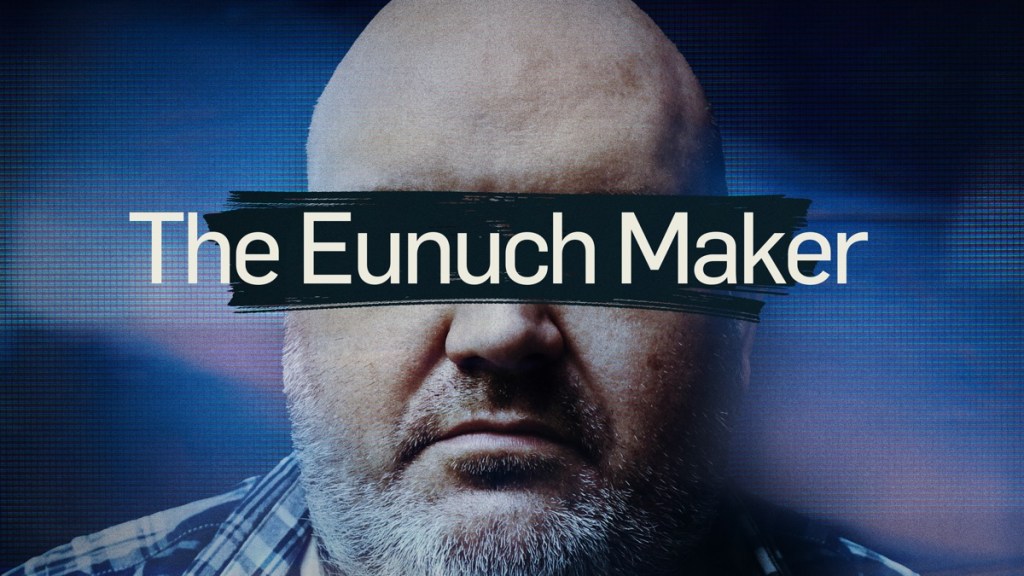
  • When I first wrote about the case I was referring to in the piece below, I was unable to mention it by name. I was still involved with the case as the eight defendants were appearing at the Central Criminal Court, Old Bailey. The men involved were all eventually sentenced and are still serving their considerable sentences.

    Initially consulting on the investigation, I later consulted on each of the very detailed court reports. I knew the collective sadistic sexual behaviour of these men very well indeed and I knew their individual stories, perverse, motivation and distorted minds even better. Horror upon horror that will never leave my mind.

    When working with such challenging material and people, I learned long ago that the way myself and my colleagues survive and manage the impact on us, is to remain close and seek comfort in each other. Even if we could talk about these things to others, I think we have a moral responsibility not to. I would not want to be responsible for putting what I know into the mind of another. It is always worse than the media can every portray. The media referred to the main defendant in this case as ‘The Eunuch Maker’ .. that is all you need to know. The piece below is another expression of my immense thankfulness to my fellow professionals who have always made it possible for me to hear a fresh set of horrors ….

    For the past year, I have been listening to a fresh set of horrors that have taken me and my fellow colleagues in criminal justice beyond even our seasoned imaginations. Although the media have started to report on this case, the full picture won’t be in the public domain until the eight men involved are sentenced. I won’t be alone in breathing a sigh of relief.

    This recent process of horror is no different of course to the many that have filled my working life since the early days of my first child sexual abuse cases and those involving ritual abuse, mind control, spiritual abuse, satanist abuse and the more recent extremes of working to address crimes occurring in the chemsex context. Those involved in these dark worlds are difficult to think about. Outside of the professional context both perpetrators and often their victims are not only placed outside of the mind, but they are also placed outside of society. They go to the bottom of the pile.

    I guess it is at the bottom of the pile where most of my work takes place. Some, and I, refer to it as ‘working on the margins.’ An attempt I guess to give such a shitty place some sense of dignity. But I know for certain the realities of the bottom of the pile. as when you speak out about what happens to those in our society that are at the bottom of the pile. It’s not long before others, in all kinds of ways, place you with them. No matter what you have done before, no matter your achievements or professional standing, if you start to speak out the unthinkable and the unbearable then you soon discover the investment many have in their wish not to know.

    When you know a reality that others cannot bear to share in, you dwell in a very lonely place. This is a perilous place, as to do this work alone is not only dangerous, but also impossible. No one would survive it. It is this unique position that places us as close as is perhaps possible to get to the experience of the victims of the perpetrators we are tasked with bringing to justice. Some of them survive and so must we. We all therefore have over time developed connections and networks of support that enable this survival.

    I treasure my immediate colleagues in the Sagamore team dearly, they are family. But I treasure beyond measure my first specialist clinical supervisor Dr Valerie Sinason. Valerie supervised my clinical work on a weekly basis for six years. So powerful was that formative process that almost thirty years on Valerie remains my internal supervisor. So often when a new case takes me once again into the darkest places of the human condition, it is Valerie’s voice I hear. I hear her skill of psychoanalytic thinking, her ability to comprehend even darker content to what someone is presenting, and I hear her immense compassion and willingness to be there at the bottom of the pile with them.

    My learning from Valerie, all these years on, continues to serve me well. You can listen to Dr Valerie Sinason for yourself on several YouTube videos in which she talks about what it’s like to work in this territory of risk, dangerousness, and vulnerability. I am privileged indeed to have such an immense person as my foundation stone. Another cost of doing this work is that we are seldom afforded a public arena in which to express our appreciation to each other. This is perhaps the only means I have.

    Br Stephen Morris fcc

  • Many of my posts are concerned with those who are in prison. Prisoners and their families have been part of my life across four decades. Much of that time was taken up with Irish political prisoners serving sentences in the UK. It was a very challenging period of, what is now considered, ‘history’. To put it mildly, I was not a welcome figure in the eyes of the British authorities. In those dark days my work was dangerous and costly. I learned much about caring for others and the depth of both pain and commitment in the lives of the oppressed.

    Ironically, I also learned much about caring for myself and ensuring my own spirit would never be broken. Crucial in that process of self care is maintaining connection with others who share the same vision and commitment to achieving change.

    Throughout my life I have indeed had those people present in my life, I would not be here if I had not, of that I am certain. This is no different today. Such work, work that takes place on the margins, places us again and again into the heart of vulnerability, both that of those we connect with and of course our own. In the face of that there can be no compromise of care for others or care for our own self.

    I have a massive archive of my work from across the years. Today I was sorting through hundreds of prisoners letters and came across a quote from Thomas Merton that Sr Sarah Clarke and Gareth Pierce sent to me over 30 years ago and at the point when every prison in the country closed their gates against me and appeals for re-trial had been rejected. These words helped me then and reminded me that activists of all sorts also need support and encouragement. I share them now that you too will be encouraged …..

    “Do not depend on the hope of results. What you are doing, the sort of work you have taken on, essentially a work totally for others, you may have to face the fact that your work will be apparently worthless and even achieve no result at all. If not perhaps results opposite to what you expect. As you get used to this idea you start more and more to concentrate on, not the results but on the value, the truth of the work itself. There too a great deal has to be gone through, as gradually you struggle less and less for an idea and much more for a specific people. The range tends to narrow down, but it get more much more real. In the end it is the reality of personal relationships that saves everything…… the big results are not in our hands, but they suddenly happen, and we can share in them. But there is no point in building our lives on this personal satisfaction, which in life may be denied us … it’s not that important. if we can free our self from the domination of causes and focus on the truth we know, we can achieve more and more and not be crushed by the inevitable disappointments, frustrations and confusions.”.

    Br. Stephen Morris fcc